
Good, Evil, and the Professional
Casino RoyaleThis flow traces Bond’s moral crisis as personal violence undermines easy distinctions between heroes, villains, and national causes.
increasing Bearing strength in each event
 decreasing
Bearing strength in each eventdecreasingA Double-O Definition
A Double-O Definition
A credential earned by killing
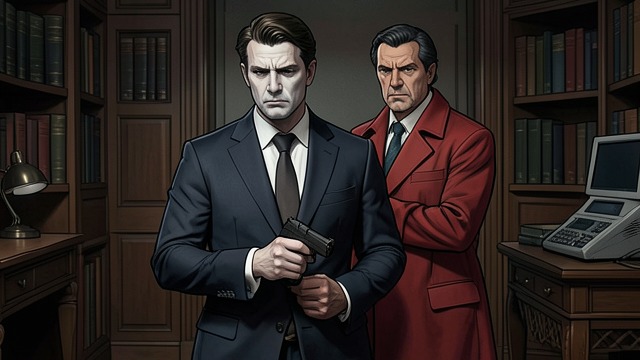
Bond explains that a Double-O number means he has killed in cold blood during service operations. The status marks professional experience rather than moral purity.
A heroic simplification
Earlier in his career, Bond could imagine villains as clear targets and himself as the person sent to stop them. The two past killings he recounts complicate that image by showing that the dead were people caught in political conflict.
The Torture’s Question
The Torture’s Question
Pain strips away abstractions
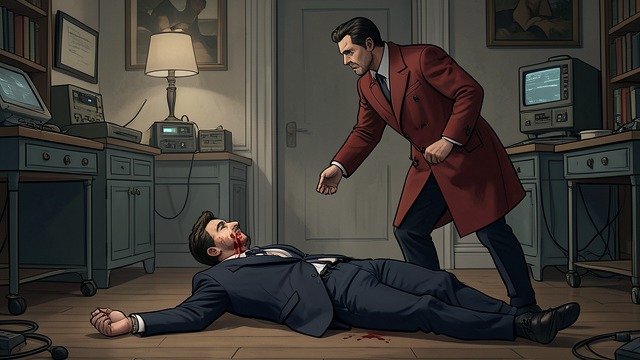
Le Chiffre’s torture turns Bond’s body into an object under another man’s control. The experience forces him to consider what he has been willing to do to others in the name of duty.
Doubt after survival
Bond wonders whether his professional world has been a childish game of heroes and villains. The question is sharpened by the fact that he has survived an enemy who treated him with deliberate cruelty.
Le Chiffre as a Villain
Le Chiffre as a Villain
Personal evil recognized
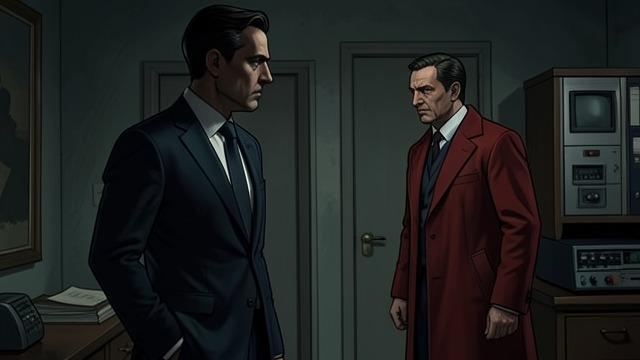
Bond admits that Le Chiffre harmed him and that he would kill him out of personal revenge. He is less certain that patriotic language alone could make such an act morally clear.
Mathis’s challenge
Mathis rejects the abstraction that makes Le Chiffre seem merely one side in a shifting political argument. He reminds Bond that actual cruelty gives moral judgment a human foundation.
The Devil and the Missing Book

The Devil and the Missing Book
A one-sided moral archive
Bond argues that society gives goodness sacred texts and heroic examples but leaves evil defined by stories and intuition. He suspects that evil is necessary to provide a contrast through which goodness can be recognized.
Mathis’s irony
Mathis answers with jokes about conscience and the absurdity of resigning as a moral gesture. His humor exposes the danger of making evil intellectually attractive while actual victims remain in view.
Experience Replaces Abstraction
Experience Replaces Abstraction
A practical answer
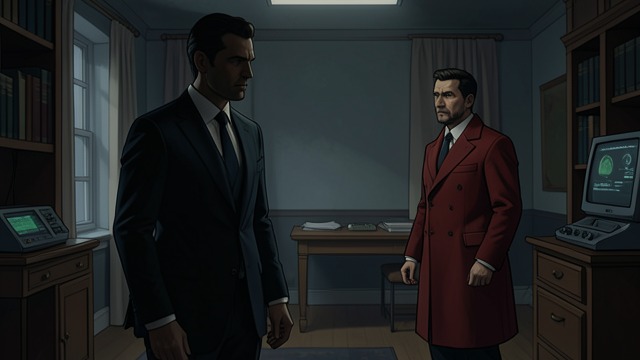
Mathis argues that personal experience makes evil recognizable and that future enemies will threaten Bond and those around him. He predicts that Bond will not wait for a philosophical resolution before acting to protect them.
People before principles
His advice to surround himself with human beings shifts Bond’s moral frame toward relationships and consequences. Vesper’s later betrayal makes that insight painful: human attachments can be both a reason to fight and a source of vulnerability.
Before the Royale assignment
During Bond’s convalescence
During Bond and Mathis’s argument in the nursing home
Near the end of Bond’s recovery
At the end of the conversation with Mathis
